October 19, 2026
Cash continues to play an important role in retail, banking, hospitality, gaming, healthcare, and other industries, even as digital payments expand. Businesses that handle physical currency need dependable ways to move deposits, replenish ATMs, manage change orders, and protect high-value assets between locations. As technology advances, armored courier services are evolving beyond traditional transportation and becoming part of broader cash-management systems built around security, efficiency, tracking, and greater operational visibility.
According to Expert Market Research, the global cash-in-transit services market reached USD 7,906.60 million in 2025 and is projected to grow at a compound annual growth rate of approximately 5.20% from 2026 through 2035. The firm attributes that growth to continued cash use, expanding ATM management, increased retailer outsourcing, greater smart-safe adoption, and growing interest in electric armored vehicles. These trends suggest that secure cash logistics will remain relevant while becoming increasingly connected to technology, automation, and changing business needs.
Expanding Technology Integration
Increasing Real-Time Visibility
Businesses increasingly expect detailed information about where valuable assets are and when they will arrive. Modern logistics platforms can improve visibility by providing electronic records, route information, service confirmations, and other operational data. Greater transparency can help businesses coordinate internal accounting and reduce uncertainty surrounding cash movement.
Increasing Digital Documentation
Paper-based processes are gradually giving way to electronic documentation and centralized records. Digital service histories, transaction confirmations, and account information can make reconciliation more efficient while creating clearer records. Armored courier services that incorporate digital tools can help clients connect physical cash movement with modern financial management systems.
Increasing Route Intelligence
Technology can also support more efficient routing. Traffic patterns, service windows, client locations, and scheduling requirements can all influence how routes are planned. Better coordination can help reduce unnecessary delays while maintaining the security considerations that remain central to transportation.
Increasing System Connectivity
Future cash logistics will likely depend on stronger connections between transportation, accounting, banking, and internal business systems. Integrating these functions can help organizations gain a more complete picture of cash activity instead of treating transportation as a separate process.
Expanding Smart Cash Management
Improving Deposit Control
Smart safes and related cash-management systems can help businesses secure deposits before scheduled collection. These tools may count, validate, or record currency as it enters the system, creating stronger internal controls and reducing the amount of manual handling required at individual locations.
Improving Reconciliation Processes
Reconciling physical currency with internal records can require substantial administrative time. Automated systems can generate information that simplifies comparisons between deposits, collections, and financial records. When paired with armored courier services, these technologies can support a more coordinated approach to cash handling.
Improving Cash Availability
Businesses need enough cash on hand to support normal operations without keeping excessive amounts at individual locations. More sophisticated management tools can help organizations understand usage patterns and plan pickups or deliveries based on actual requirements rather than rigid assumptions.
Improving Operational Planning
Better cash data can help managers identify trends across multiple locations, understand deposit volumes, and coordinate service requirements. These insights may become increasingly important for retailers, financial institutions, and other organizations managing complex cash networks.
Expanding ATM Support Services
Supporting Cash Replenishment
ATMs need regular replenishment to remain available to customers. The appropriate schedule depends on transaction volume, location, seasonal demand, and other factors. Professional cash logistics providers can support institutions by coordinating replenishment around expected usage and established security procedures.
Supporting Cash Removal
ATM servicing can also involve removing excess deposits or currency when machines reach operational limits. Armored courier services can provide structured transportation between ATM locations, processing facilities, and financial institutions while maintaining documented handling procedures.
Supporting Network Expansion
Financial institutions and independent operators may continue expanding or repositioning ATM networks as customer behavior changes. New locations create additional logistical requirements, particularly when machines operate outside traditional bank branches or in high-traffic commercial environments.
Supporting Managed Services
Organizations may increasingly outsource portions of ATM cash management rather than handling every function internally. This can include transportation coordination, replenishment scheduling, deposit movement, and related logistical support, allowing internal teams to focus on other responsibilities.
Expanding Retailer Outsourcing
Reducing Internal Handling Demands
Retail employees often have responsibilities that extend far beyond managing cash. Outsourcing portions of deposit transportation and cash logistics can reduce the amount of internal coordination required while providing a defined process for moving funds away from business locations.
Reducing On-Site Cash Exposure
Businesses that generate substantial cash receipts may prefer to limit how long currency remains on site. Scheduled pickups can help reduce accumulated balances and move funds into established processing channels. Armored courier services can therefore become an important component of broader loss-prevention and financial-control strategies.
Reducing Administrative Complexity
Multi-location retailers may face especially complicated deposit schedules, banking relationships, and cash requirements. A centralized logistics arrangement can simplify coordination across stores and create more consistent procedures for collections, change orders, and account documentation.
Reducing Transportation Responsibilities
When employees transport deposits themselves, businesses must manage additional scheduling and risk considerations. Outsourcing transportation allows companies to separate normal staff duties from secure cash movement and rely on providers specifically structured for that purpose.
Expanding Security Expectations
Strengthening Chain-of-Custody Controls
Secure logistics depends on knowing when assets change hands and maintaining clear accountability throughout transportation. Strong chain-of-custody procedures can support accurate records and help businesses understand how currency moves from the point of pickup to its destination.
Strengthening Personnel Standards
Professional armored operations rely on trained personnel who understand established procedures, secure handling expectations, and the importance of consistency. Armored courier services will likely continue investing in training and operational controls as clients expect increasingly sophisticated security practices.
Strengthening Vehicle Security
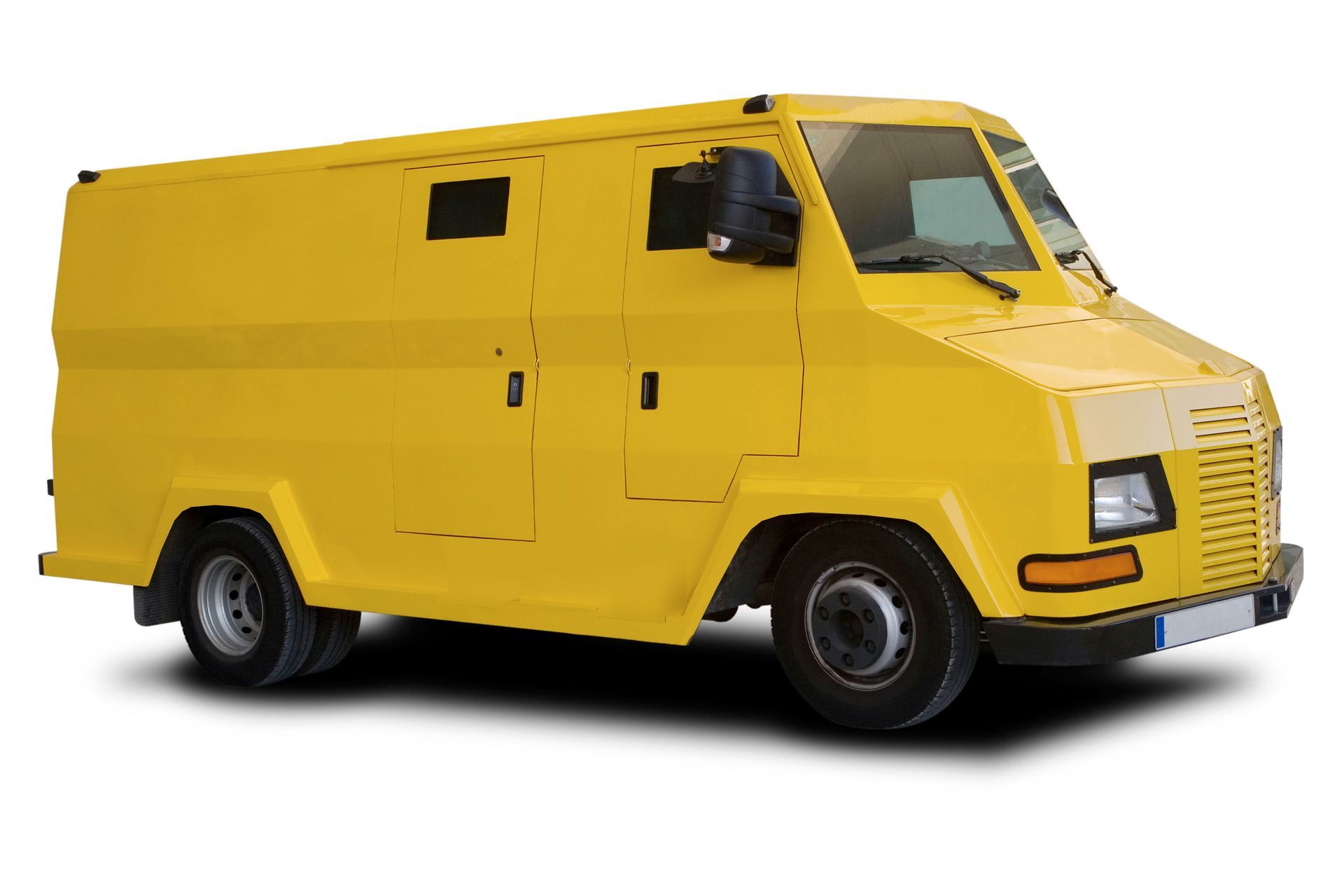
Vehicle design remains a core part of secure transportation. At the same time, future fleets may incorporate additional communication, tracking, monitoring, and efficiency technologies. These developments can improve operational oversight while preserving the physical protections required for valuable cargo.
Strengthening Risk Assessment
Security requirements can vary by client, location, transaction volume, and route. Future providers may rely even more heavily on data and operational intelligence to evaluate service patterns and adjust procedures according to changing conditions.
Expanding Sustainable Fleet Strategies
Exploring Electric Vehicles
Electric commercial vehicles are becoming more relevant across transportation industries. Armored fleets have specialized weight, range, security, and operational requirements, but continued improvements in vehicle technology may create additional opportunities for electrification where practical.
Exploring Fuel Efficiency
Even when full electrification is not appropriate, fleet operators can pursue other ways to improve efficiency. Route optimization, vehicle selection, maintenance practices, and reduced idling can influence fuel consumption across high-mileage transportation networks.
Exploring Lower-Impact Operations
Corporate clients increasingly consider environmental performance when evaluating vendors. Armored courier services that modernize vehicles and operating practices may be better positioned to respond to sustainability goals while continuing to meet demanding security requirements.
Exploring Long-Term Fleet Planning
Vehicle investments require significant planning because armored transportation depends on specialized equipment that must remain reliable for years. Future fleet strategies will likely balance security, operational range, maintenance costs, technology, and environmental considerations rather than focusing on a single factor.
The future of secure cash logistics will combine established security principles with smarter technology, stronger data integration, outsourced cash management, expanded ATM support, and increasingly efficient fleets. Physical currency remains important across many industries, meaning businesses will continue needing dependable systems for collection, transportation, processing, and delivery. As those systems become more connected and technologically advanced, armored courier services can play an even broader role in financial operations. To discuss secure cash transportation and logistics support for your organization, contact Eastern Armored Services, Inc today and learn more about professional service options.